Featured
Increasing Credit Reliability in the New Your State Economy
Why Settling Financial Obligation Isn't Constantly Tax-Fr...
The Difference Between Federal and Personal Debt Expiration

The Difference Between Federal and Personal Debt Expiration
Table of Contents
Monetary Safeguards in Local Communities for 2026
Home financial obligation levels in 2026 have actually reached a point where numerous individuals are focusing on property defense over easy payment. The financial environment this year reflects a shift in how customer debt is handled, especially as interest rates stay stubbornly high in the wider area. Households are looking for ways to rearrange their financial obligations without running the risk of the loss of their homes or retirement savings. This requirement has actually brought increased attention to the rights and regulations that govern creditor interactions and the legal relief available through structured programs.
Federal law supplies a clear structure for how financial obligation collectors can interact with people. In 2026, the Consumer Financial Protection Bureau (CFPB) has actually tightened guidelines concerning digital outreach. Financial obligation collectors are now restricted in how regularly they can utilize social media platforms and direct messaging to contact debtors. These protections are essential for residents of their local municipality who may feel overwhelmed by consistent alerts. Understanding that these interactions need to follow stringent standards allows individuals to concentrate on reorganizing their finances rather than reacting to push tactics.
Legal relief typically starts with determining which possessions are exempt from lender claims. In numerous jurisdictions throughout the surrounding region, homestead exemptions have actually been changed in 2026 to much better show existing home worths. This indicates a bigger portion of a home's equity is safeguarded from unsecured creditors throughout a restructuring procedure. Likewise, retirement accounts governed by the Worker Retirement Income Security Act (ERISA) generally remain out of reach for a lot of financial institutions. Focusing on the financing of these accounts is a common technique for long-lasting monetary security during periods of instability.
Legal Defenses Against Lender Misconduct
Creditors should adhere to the Fair Financial Obligation Collection Practices Act (FDCPA), which has actually seen numerous updates leading into 2026. These updates clarify that harassment is not limited to call but extends to persistent electronic interaction. If a collector breaches these terms, the debtor might have premises for legal action, which can in some cases lead to the termination of specific charges or charges. Organizations that supply methods concentrated on Financial Assistance frequently emphasize the importance of documenting every interaction with a debt collection agency.
Documentation functions as the primary defense when disputes emerge. In local areas, legal centers regularly recommend keeping a log of the time, date, and content of all lender contacts. This record ends up being necessary if a case approaches a formal financial obligation restructuring or if a consumer chooses to enter a financial obligation management program. By maintaining clear records, people can prove if a collector has actually crossed the line into harassment or misstatement of the financial obligation owed.
The accessibility of Reliable Credit Card Consolidation Plans offers a structured path for those who wish to avoid the serious effects of bankruptcy. These programs, frequently managed by non-profit credit therapy firms, work by combining various monthly payments into a single, more workable amount. In 2026, these agencies have expanded their reach, partnering with community groups to make sure that financial literacy is available in every corner of the nation. These partnerships typically cause worked out rate of interest that are substantially lower than the original terms, enabling more of the payment to approach the principal balance.
Managing Asset Retention in the Regional Market
Protecting personal property needs a proactive approach to financial obligation restructuring. One of the most effective techniques in 2026 involves the use of Department of Justice-approved non-profit credit counseling. These agencies are mandated to supply neutral, expert guidance on a variety of financial problems, including pre-bankruptcy therapy and pre-discharge debtor education. For locals in urban centers, these services offer a roadmap for preserving real estate stability while addressing unsecured debts like charge card and medical expenses.
Housing therapy has actually ended up being an even more important part of possession protection this year. HUD-approved counselors assist individuals browse home mortgage modifications and foreclosure prevention. In 2026, the combination of real estate guidance with general credit counseling ensures that an individual's largest asset-- their home-- is not sacrificed to pay off less vital financial obligations. People looking for Credit Card Consolidation in New Jersey often discover that a unified approach to their spending plan is more reliable than trying to settle financial obligations individually.
The process of reorganizing financial obligation likewise includes a thorough review of one's spending plan to determine locations where costs can be redirected towards debt removal. Counseling sessions often expose that small changes in everyday routines can lead to substantial savings with time. These savings can then be utilized to construct an emergency fund, which serves as a buffer against future financial shocks. In many parts of the country, these emergency situation funds are the first line of defense in keeping possessions safe when unexpected expenditures develop.
Non-Profit Resources for Debt Stabilization
Non-profit credit therapy agencies operate under stringent regulative oversight, ensuring they prioritize the customer's interests. In 2026, these firms provide free preliminary consultations to examine an individual's monetary scenario. This preliminary step is necessary for figuring out whether a debt management strategy or a various type of legal relief is the very best strategy. Due to the fact that these companies are 501(c)(3) entities, their focus stays on education and rehabilitation instead of earnings.
Financial obligation management programs (DMPs) provided by these companies are not the same as financial obligation settlement. While settlement often involves stopping payments and running the risk of claims, a DMP focuses on consistent, negotiated payments that are distributed to lenders by the company. This technique secures the individual's credit report over the long term and prevents the aggressive legal actions that frequently follow missed out on payments. The majority of creditors in 2026 prefer this structured approach since it guarantees a stable return on the money owed while supplying the debtor with a clear end date for their commitments.
Education is another pillar of the 2026 debt restructuring environment. Agencies offer courses on financial literacy that cover whatever from fundamental budgeting to sophisticated investment techniques. This education is typically a requirement for those going through the personal bankruptcy process, but it is equally beneficial for anybody looking to improve their financial standing. By understanding the mechanics of credit and interest, consumers in local communities are much better equipped to avoid the traps that result in excessive debt in the very first place.
Communities in the local region benefit from a network of independent affiliates that extend the reach of these non-profit services. These affiliates frequently comprehend the particular financial obstacles of their area, such as local market shifts or regional tax changes. This localized knowledge permits more customized counseling that takes into consideration the specific cost of living and task market conditions in 2026. Whether through co-branded partner programs or direct neighborhood outreach, the objective remains the very same: to offer a steady structure for monetary recovery.
State-specific regulations also contribute in how properties are dealt with throughout restructuring. Some states have "opt-out" clauses for federal insolvency exemptions, indicating they use their own list of protected possessions. In 2026, staying notified about these subtleties belongs to an extensive possession defense method. Dealing with a counselor who comprehends the particular laws of their home state can prevent expensive mistakes that might result in the loss of personal effects. As the year progresses, these defenses continue to evolve, showing the altering needs of a society that values monetary resilience and consumer rights.

Table of Contents
Latest Posts

Comparing Debt Relief Options for Your State Citizens
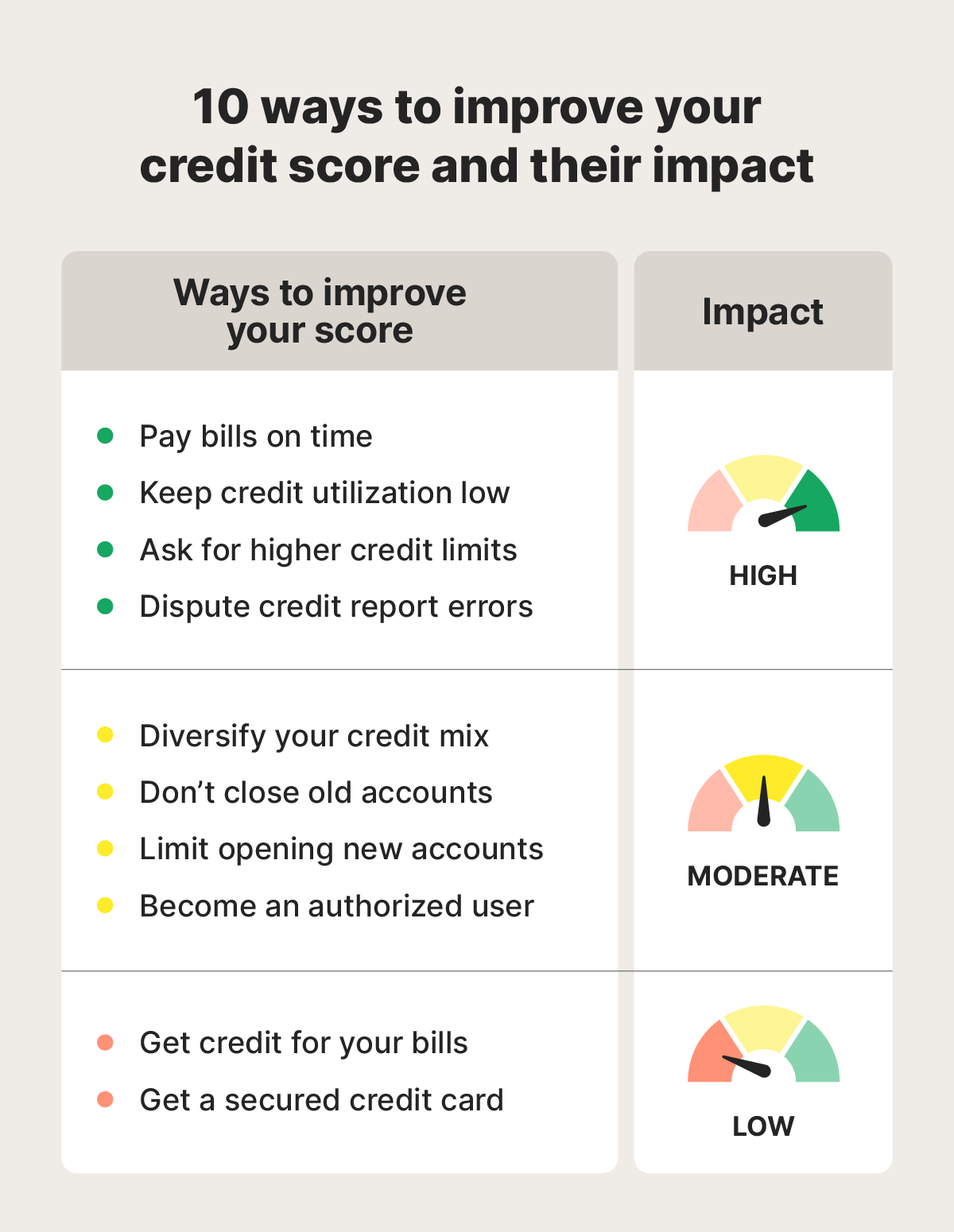
Increasing Credit Reliability in the New Your State Economy
Why Settling Financial Obligation Isn't Constantly Tax-Free for Local Taxpayers
More
Latest Posts
Comparing Debt Relief Options for Your State Citizens
Increasing Credit Reliability in the New Your State Economy
Why Settling Financial Obligation Isn't Constantly Tax-Free for Local Taxpayers